


Research framework
MIND · MODELS · MOTION
A research methodology connecting scientific observation, computational modeling, and real-world action.

MIND, MODELS, and MOTION form a complete research process. MIND asks "Where do questions come from?"—identifying signals and defining problems in complex data and real-world settings. MODELS asks "How is understanding represented?"—translating mechanisms and evidence into computable, testable models. MOTION asks "Where does knowledge lead?"—testing models in evolving real-world systems and using them to support decisions and action. Through repeated cycles, the three form the methodological foundation of my research and engineering practice.
In a complex world, discover questions · Build models · Take action
Observation, reasoning, and judgment
MIND is the starting point of research: the formation of scientific questions. It involves identifying meaningful signals in heterogeneous data from multiple sources and real-world observations, defining clear, researchable questions under uncertainty, and integrating domain knowledge, empirical evidence, and logical reasoning into testable research hypotheses.
In practice: before any modeling begins, systematically analyze the mechanisms behind the phenomenon, the available data, and the constraints of the problem. How data should be used, how the problem should be formalized, and what would constitute a scientifically meaningful answer should follow from this analysis rather than be predetermined by a model.
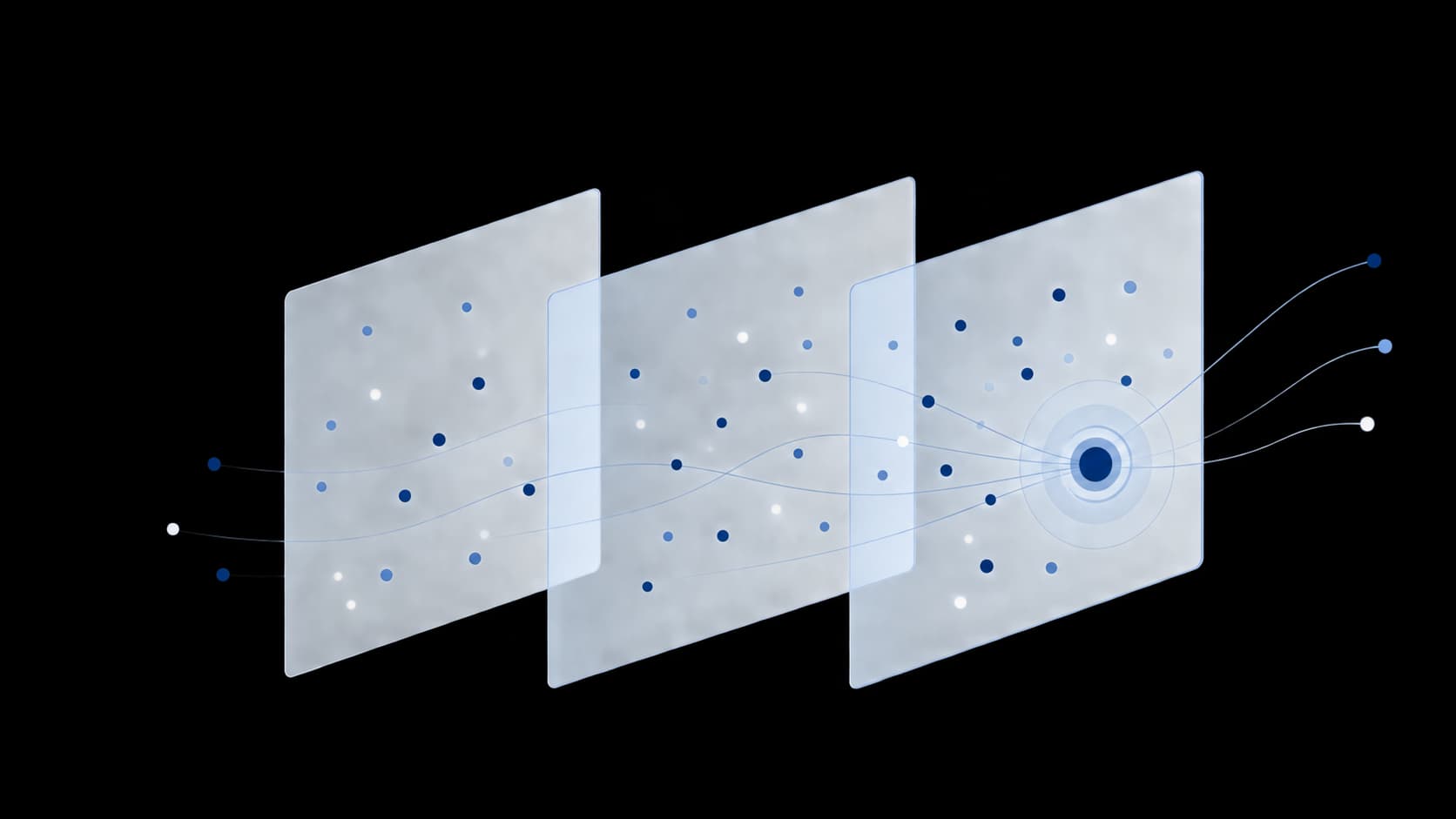
Representation, generation, and simulation
MODELS provide an intermediate structure between understanding and prediction. Predictive models, generative models, and world models are formal representations of complex system states, evolving mechanisms, and possible futures, rather than merely computational tools. They should be learnable—able to estimate parameters from data; simulatable—able to explore a system's dynamic behavior; and testable—with outputs that observational evidence can corroborate or falsify.
In practice: model development should extend beyond point-prediction accuracy to explicitly represent system states, evolving processes, and sources of uncertainty. Research hypotheses can then be tested, revised, or abandoned through continued comparison with observational evidence.
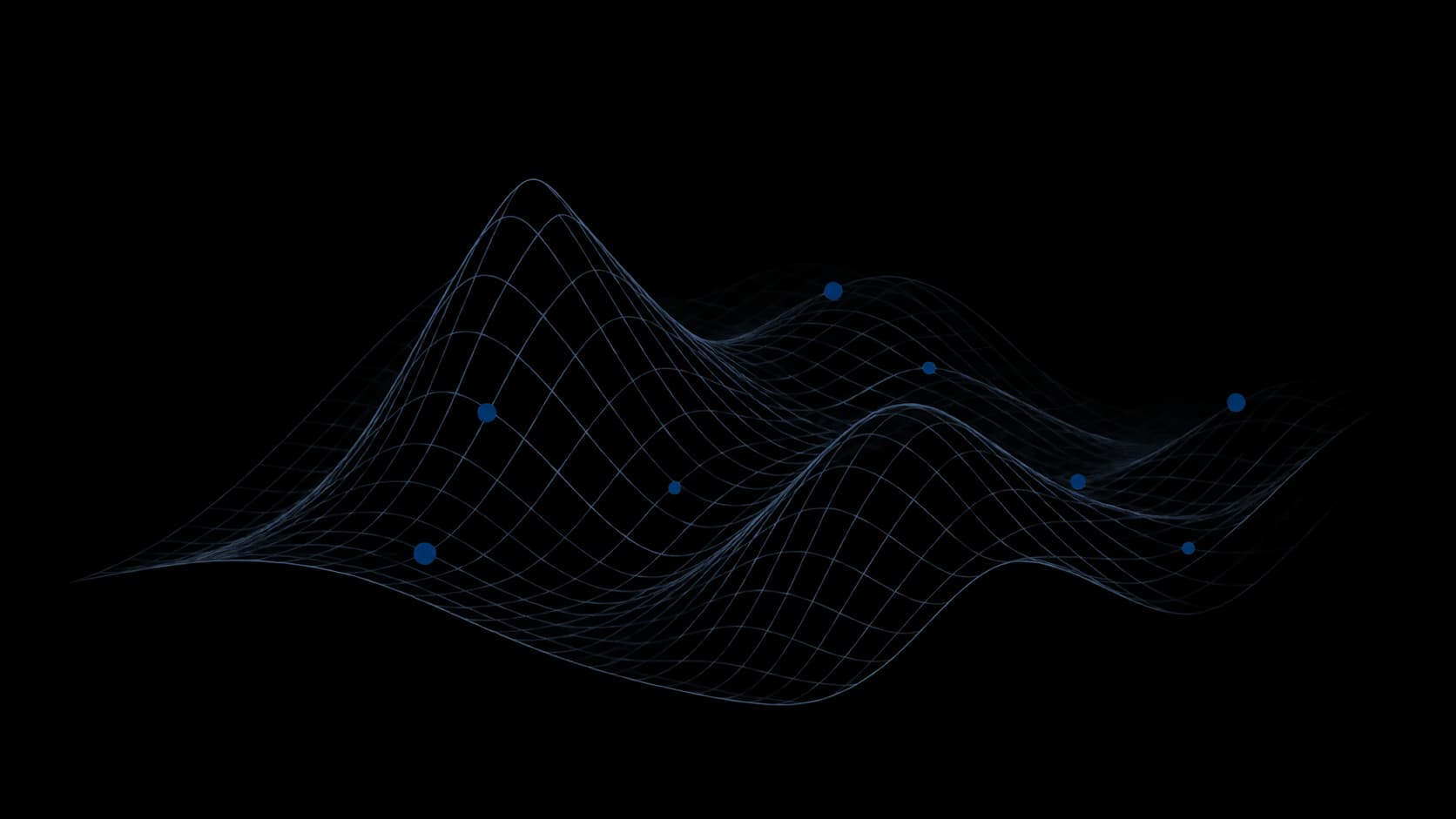
Change, evolution, and action
MOTION concerns the continually evolving nature of the real world. Mountain hazards, meteorological processes, landscape evolution, urban systems, and human activities are dynamic processes that change across space and time. The ultimate value of research lies in characterizing and predicting these changes, turning that understanding into a scientific basis for early warning, assessment, and action.
In practice: focus on how models adapt to nonstationary dynamic processes—whether they can detect and respond promptly when environmental conditions change—and how research can move from experimental settings into real-world disaster prevention, mitigation, and decision-making. Photography offers another way for me to record and observe this dynamic world through images.
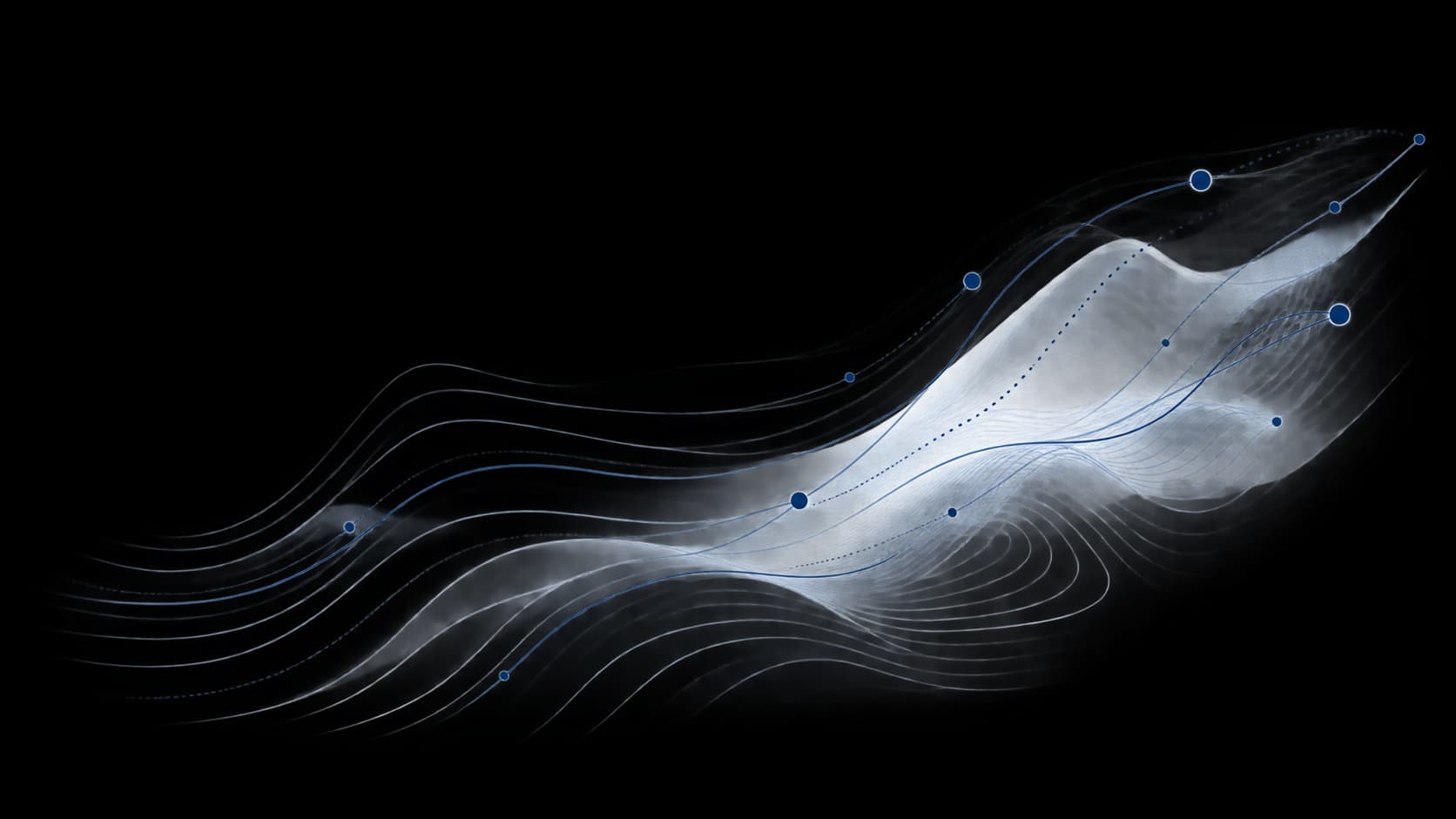
From methodology to research practice
Begin with observation, develop models, and return to an evolving real world.
Within this framework, MIND defines scientific questions that are both worth studying and possible to investigate. MODELS translate understanding of those questions into computable, testable formal representations. MOTION tests whether those representations can explain observed changes, predict future dynamics, and ultimately support action. Together, the three provide the underlying methodology for all research presented on this site.